
 Deciding the Principle Medical Diagnosis, By Lori O’Hara, MA, CCC-SLP
Although the PDM only affects therapy buckets, determining the most appropriate diagnosis to put in the first position is an IDT Decision. It is meant to reflect the condition that most strongly explains the reason the patient needs to be skilled in the SNF, and sometimes that is not necessarily the condition for which they need rehabilitation (although it will be often!) The DOR and the therapy team should discuss the reasons the patient needs any therapies they’re receiving, and then the DOR discusses that with the IDT to reach a decision.
Here are few decision making examples:
- A patient admits who had a hip replacement, and then while in the acute hospital had a stroke. Both the hip fracture and the CVA are high-needs conditions and either could legitimately be considered the principle medical condition. When this is true, the facility is allowed to select the best prioritization. In this case, selecting the hip replacement is the best choice. While this does mean that we are opting to miss out on a neuro condition for the SLP case mix index, the benefit to the facility is greater from the hip fracture diagnosis. The patient will still need all the aggressive therapy that comes with those two conditions, so selecting the one that aligns best reimbursement with the amount of resources the patient needs is perfectly fine when it’s clear that the choice is well-supported in the record.
- A patient admits with ulcerative colitis. The patient is on immunosuppressants and close diet monitoring. The patient has suffered significant muscle wasting and is severely debilitated. The patient also has a history of Parkinson’s disease for which they’re receiving a Sinemet regiment that is unchanged in three years. While Parkinson’s would land in a more advantageous clinical category (Acute Neuro) than the ulcerative colitis (Medical Management), that decision is not consistent with the CMS requirement that the principle medical diagnosis reflect the reason the patient needs to be in a SNF. So Parkinson’s disease should not be in the first position, but should be listed as a diagnosis in a later slot.
- A patient admits for pneumonia and also has a fractures of the 4th toe. The patient is still on antibiotics, requires supplemental oxygen and has an order for a follow-up x-ray. In this instance, while the impact of a toe fracture will certainly need rehabilitation, the patient’s management for pneumonia requires markedly more resources and interventions. So in this instance while the toe fracture would create a more financially advantageous case mix impact, it cannot be validly reported as the principle medical condition.
 As we move closer to the October 1st changes with PDPM, many therapy programs have made concerted efforts to implement Group and Concurrent modes of treatment and have noted how their patients are enjoying them. Since January of 2019 we can see a significant shift to adding multi-patient treatment programming across several affiliated companies. The chart below shows a steady increase month-over-month for 2019.

 Also, by providing multi-patient clinically appropriate treatment approaches, we create additional time to ensure we are providing care to our LTC residents and grow our outpatient programs. Note the trend from the first 4 months of 2018, to the first 4 months of 2019, as we increased our “Moments of Love” (Ciara Cox) for those that reside within our facilities and our communities from 14% to 19%!
 Another area that would be great to study is the impact of Long Term Care therapy programming compared to changes in facility Quality metrics. Some markets already have been working on this and we would love to see your results!
 Pointe Meadows of Lehi, Utah uses the game, Headbands, in an SLP group. Headbands can be used to facilitate turn taking, processing speed, expressive communication, reading comprehension, and speech intelligibility


 world of greater creativity, compassion, and empathy, and strive to embody these traits in order to help others live happier, healthier lives.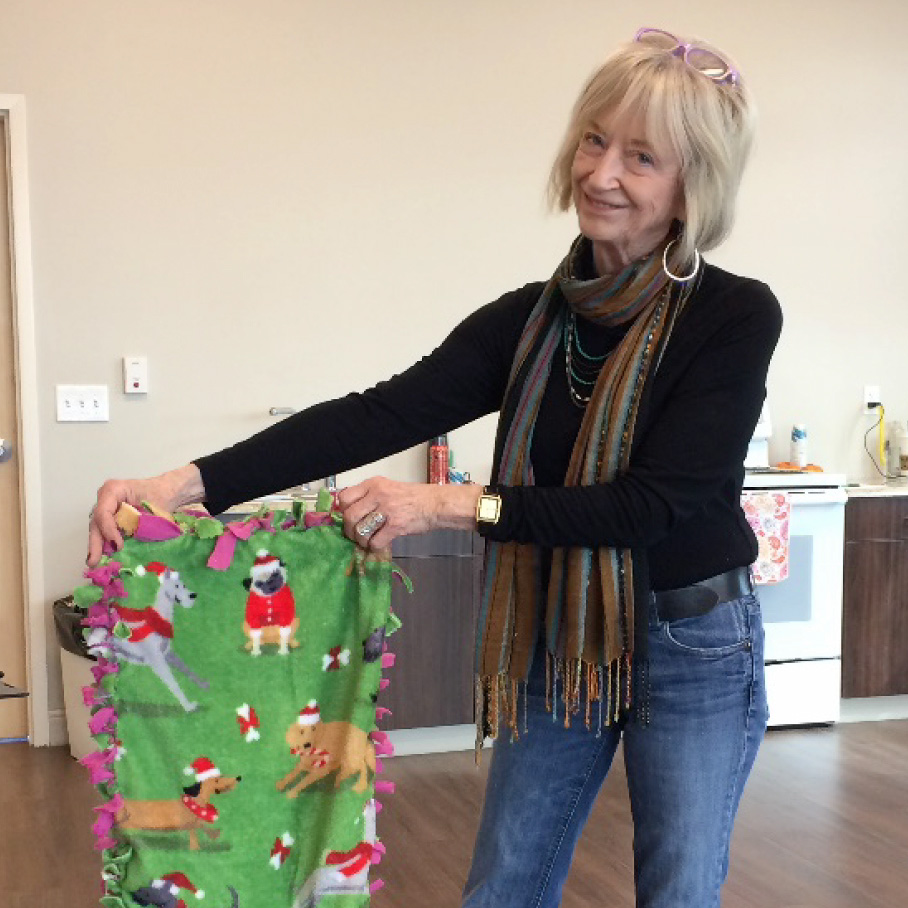


 Essay by Cody Lemmons, DPT, University of St. Augustine, Austin, TX, Grad Date: 8/23/19


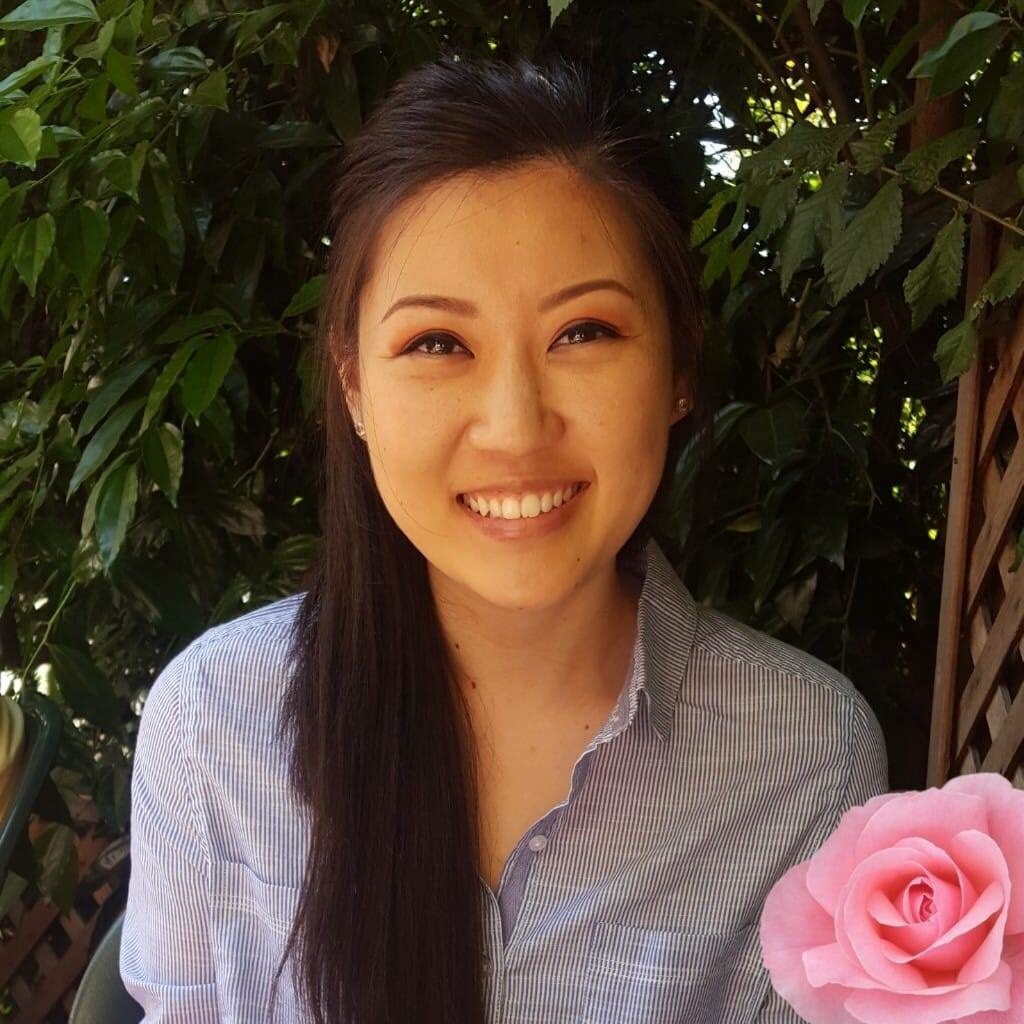
 Congratulations to our newest SPARC Award Winner, Jane Song! She is an Occupational Therapy student at Dominican University of California, and plans to graduate in May 2019.