

 By Angela Ambrose, contributing writer
The hectic holiday season is in full swing and chances are your to-do list has more than doubled in length. When you’re feeling harried and overwhelmed, this is the best time to hit the pause button and find a few minutes to just sit and breathe.
Meditation involves bringing your full attention to a single point, such as following your breath as it flows in and out, repeating a soothing word or phrase to yourself, gazing at an object such as a candle flame or listening to an inspirational song.
“We live in the 21st century where the fast-paced world we’ve built is inundating us with floods of energy constantly, if we allow it. A 10-minute break from that can be very beneficial,” says Benjamin Decker, meditation teacher and author of Practical Meditation: a Holistic Three-fold Approach to Meditation.
Hundreds of research studies show that meditating regularly can help reduce stress, sharpen your focus and memory, manage depression, lower your blood pressure and improve the quality of your sleep. Studies also prove that regular meditation can create positive changes in the physical structure of your brain that may lead to better decision-making, increased empathy and better emotional control.
“The biggest challenge that I find with clients who have resistance to learning meditation is their lack of understanding of what it really is and what the benefits actually are,” says Decker. “The only way to really understand the benefits of meditation is to ‘take the leap,’ so to speak, and begin the experiment of engaging in the practice.”
6 Simple Steps to Meditating
Take a moment now to try this simple meditation technique of counting your breaths:
- Find a quiet place free of distractions.
- Sit comfortably in a chair with your feet flat on the floor and a straight spine. Avoid leaning against the back of the chair. You can also sit on the floor with your hips elevated on a cushion. If sitting upright is painful, lie on your back with a rolled up blanket or pillow under your head and neck.
- Close your eyes, take three big, deep breaths and exhale out your mouth with a “ha” sound.
- Bring your lips together and breathe naturally through your nose. Nostril breathing is more calming to the nervous system, but if this isn’t possible, breathe in whatever way is comfortable.
- Start to count your breaths backwards from 10 to 1. As you inhale, say to yourself “10” and as you exhale, repeat “10” silently. Continue like this with the numbers 9, 8, 7, and so on, until you reach zero. Then return to 10 and begin again. If you lose the count, simply start over from 10. Aim to complete at least 3 cycles of counting.
- When you’re done, slowly open your eyes and take a few moments to notice any thoughts and sensations in your body before moving back into your daily routine.
How to Stay Committed to Your Practice
Set a goal of meditating daily for five minutes, slowly increasing the duration each week. On days when you feel too busy to meditate, just take 10 slow, deep breaths anywhere you can find a few moments to yourself — in your car before you pull out of the driveway, at your desk or even in a bathroom stall.
Be patient with yourself and let go of any judgment about how your practice is going. It’s normal for thoughts to come up while you’re meditating. When they do, just observe them like clouds floating by in the sky. The true benefits of meditation come, not while you’re sitting there in stillness, but rather during times of high stress — when someone cuts you off in traffic, your toddler throws a tantrum in the middle of the grocery store or when you’re dealing with a serious health issue. With regular practice, the heightened sense of awareness and inner calm that you cultivate while meditating will start to spill over into other parts of your life.
“Every moment of our lives can become a meditation. How are you driving? How are you speaking to loved ones and strangers? What kinds of thoughts, feelings and emotions come up for you when you’re moving through life? Begin to bring your awareness into life as you are already living it,” says Decker. “Turn off the radio, turn off the TV, be with yourself and be more present with others.”
Meditation can transform your life by making you more patient, grounded and less reactive in all your relationships and with the unexpected challenges that inevitably come your way— at home, work and on the road.
Try a Free Meditation App on Your Mobile Phone
If you find it difficult to meditate on your own, download a meditation mobile app such as Insight Timer, Calm, Sattva, 10% Happier or Stop, Breathe & Think. These mobile apps track your progress and offer a myriad of meditation styles – from guided meditations and chanting to sounds of nature and relaxing music. The mobile apps are free, but premium content costs extra.

 Healthy Eating and Exercise to Slow or Reverse Diabetes?

 Have you heard about it? There’s a spark, and it’s starting to catch fire! Last week’s workshops had over 30 participants in total — and this is just the beginning!


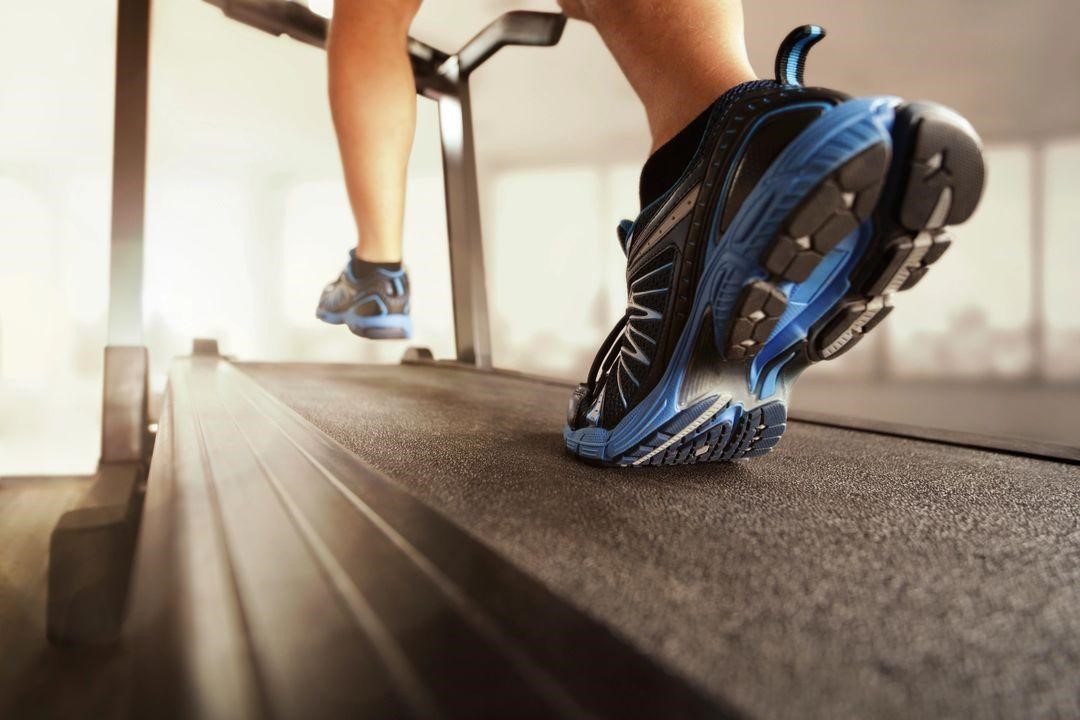


 2. Try a group fitness class — Even if you’re exercising in a crowded gym, you can still feel lost and lonely if you’re climbing on the stair stepper in a dark corner or lifting weights by yourself. Most health clubs offer group fitness classes taught by nationally certified instructors. The group energy is contagious and can help you push through an especially challenging workout. From barbell and kickboxing to dance and yoga classes, you’ll find a wide range of options to build aerobic endurance, muscular strength and flexibility.
 catch, kickball or Frisbee simply because you enjoyed being with friends. Make exercise fun again by joining a recreational sports league such as softball, soccer or basketball or by taking up tennis or racquetball. Team sports are particularly beneficial because they create social connections and friendly competition. A study published in Mayo Clinic Proceedings shows that participating in partner and team sports is associated with longer lifespans than exercising alone because they combine the benefits of physical activity with stimulating social interaction.
 more likely to log extra steps, burn more calories and go well beyond the U.S. Physical Activity recommendations, as well as your own personal fitness goals.
 In Utah, we are fortunate enough to have a Recreational Therapy Resource, Kami Archibald. Kami is a great partner with our therapy teams to find ways to further enhance the lives of our residents. Through this partnership, our facility Rec Therapists are becoming an integral part of the therapy teams. This all started when they asked to be educated about our “therapy world,” productivity and how Rec Therapy can support us.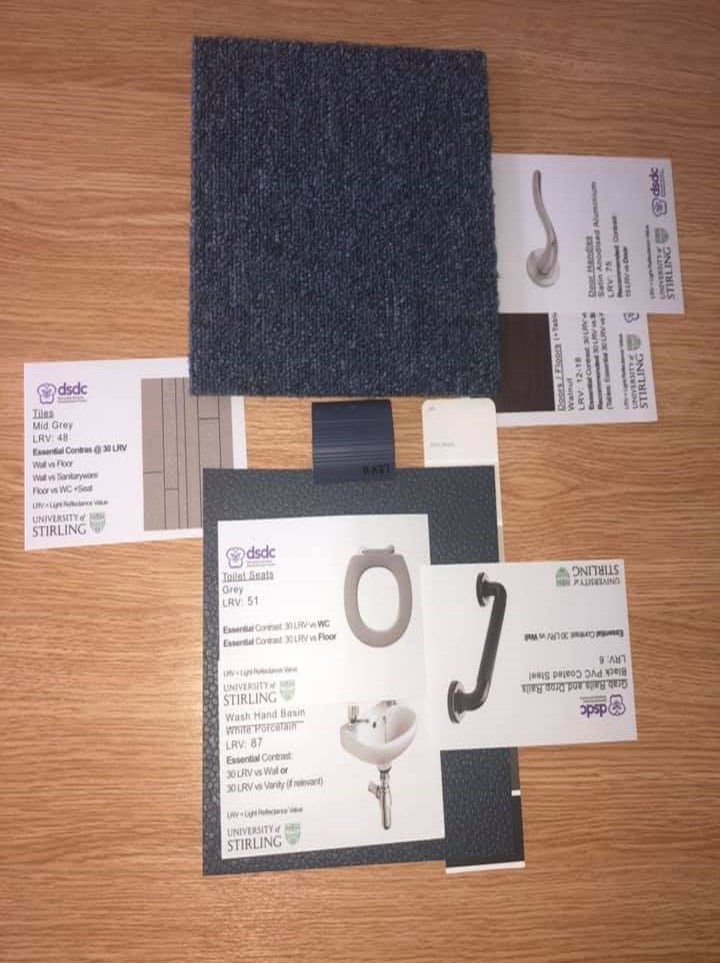
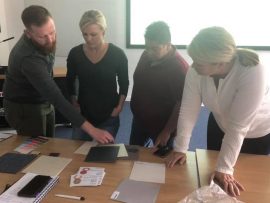 An extensive interactive workshop with the Legend Oaks-New Braunfels team was conducted where the team had to design a room and bathroom with the appropriate colors, hues and tones in accordance with what we had learned about vision deficits and other physical and cognitive deficits present in dementia residents. Extensive education was provided about utilizing familiar designs with dementia care and the evidence surrounding this approach. “More familiar designs mean people with dementia are less likely to need help, that they make fewer mistakes and that they are more satisfied with the process than if the designs are unfamiliar.”
 Meet Angela Ambrose. Angela is our latest partner contributing to our WELL Project and is a freelance writer with more than 30 years of writing experience. She is also an ACE-certified group fitness instructor and yoga teacher. When she’s not writing or teaching classes, Angela enjoys hiking, running and cooking up healthy Mediterranean-style meals for her family. Born and raised in Chicago, Angela moved to Phoenix 20 years ago and has settled comfortably into her home in the sunny Southwest. For the latest health and fitness news, visit AngelaAmbrose.com or follow Angela on Facebook (@AmbroseHealthyLiving).
 Improve sleep. Daily exposure to sunlight naturally regulates circadian rhythms — your body’s internal clock — for a better night’s sleep. Regular exercise can further improve sleep quality by helping you get to sleep sooner and increasing deep sleep.
 sunlight, it produces vitamin D3. This vitamin stimulates the absorption of calcium, which is essential in maintaining strong bones. Vitamin D also helps fight off infections. Deficiencies in vitamin D can increase the risk of developing heart disease, diabetes, autoimmune diseases and some cancers.
 Burn more calories. The constantly changing outdoor environment creates more challenges and stress on the body. Wind resistance can make you burn more calories, especially when you’re running or cycling into a headwind. Walking or jogging on an uneven, changing terrain also requires more muscle engagement than a flat, uniform surface. Your body must also work harder to regulate your internal temperature when exercising outdoors in hot or cold temperatures.